Galicia’s Answer To Sauvignon Blanc

2 March 2013
Comments Off on Galicia’s Answer To Sauvignon Blanc
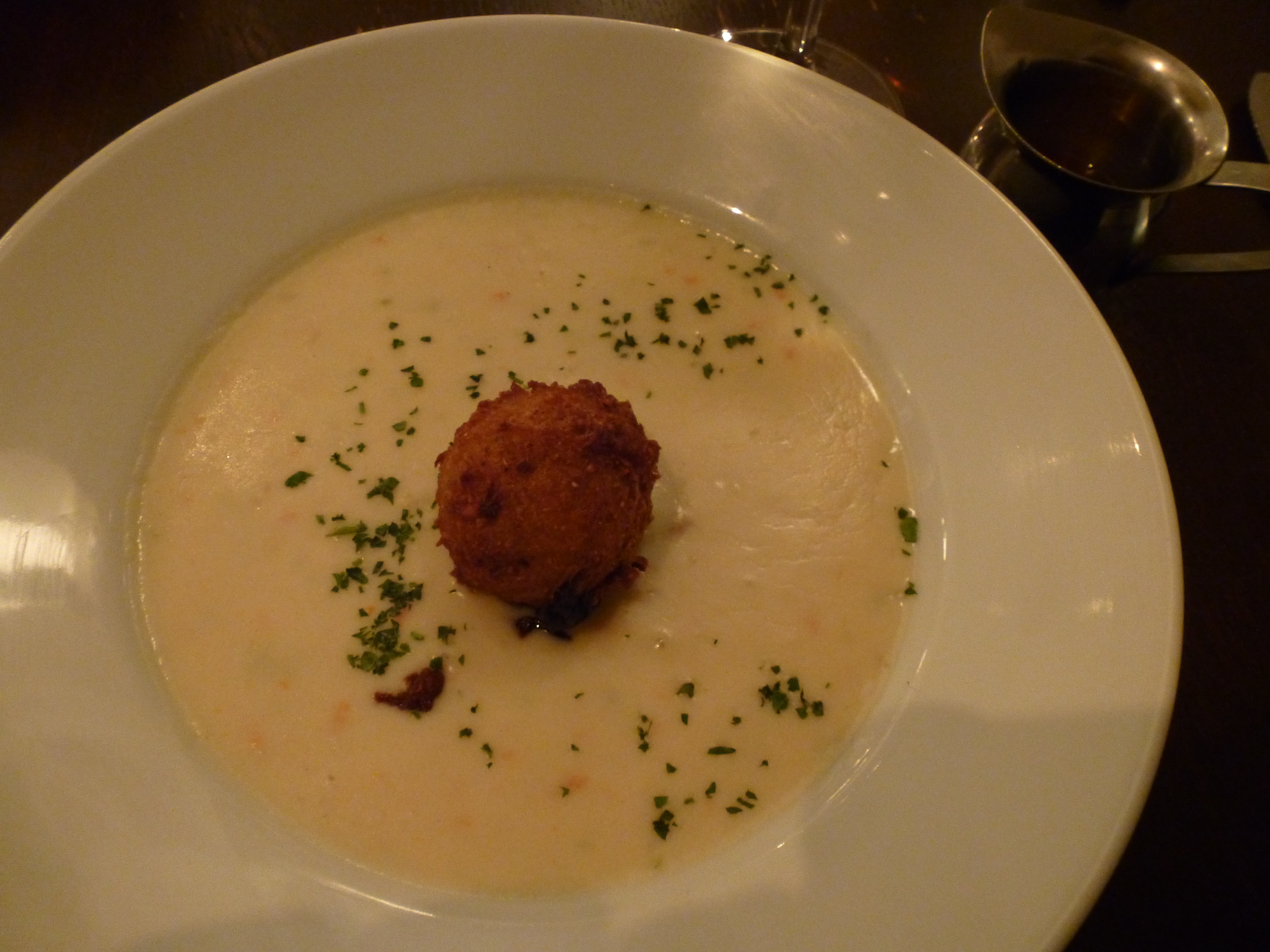
She crab soup with sherryUnadventurous wine lists at corporate parties and weddings tend to read something like this: Sauvignon Blanc, Chardonnay, Merlot, Cabernet Sauvignon. Sauvignon Blanc tops the list so often because it tends to be fruity and very food-friendly, with fun, juicy acids. But if you’re itching to get out of the Sauvignon Blanc rut — and if you’re reading this, I suspect you are — I’ve got just the white for you: Godello.

This variety indigenous to Spain’s northwestern Galicia region almost became extinct thanks to Phylloxera, and it languished in obscurity for years. It was only “recently re-discovered,” according to the 2001 edition of André Dominé’s Wine, and the Galician region best known for producing Godello, the rainy Valdeorras D.O., now “regularly hits the headlines of the Spanish trade press.”

All my wine books speak highly of Godello grown in Valdeorras. The World Atlas of Wine argues that it “can yield extremely fine wines worth ageing,” and The Sotheby’s Wine Encyclopedia notes that “The best [Valdeorras] wineries have now been modernized and are even better than they used to be, particularly for white wines made from the Godello grape.”

Even so, it can be hard to find this “fine white grape variety” (The Oxford Companion to Wine), because Galician vineyards and wineries tend to be small, with necessarily limited production, and much of what is produced is consumed locally. The Galicians know a good thing when they taste it. I felt very lucky, therefore, when I spotted it on the wines-by-the-glass list at Carter’s Kitchen, a delightful casual restaurant tucked away in Mount Pleasant, a suburb of Charleston, South Carolina.

Carter’s Kitchen offered the 2011 Valdesil Montenovo Godello for $8 a glass, one of the least-expensive wines on the list. I needed something with some serious acids to compete with the decadent seafood I’d just ordered, and the Godello proved up to the challenge. It started with some sweet, apply fruit, but this was quickly overtaken by focused, limey acids which carried through to a white-peppery finish. The wine cut right through the richness of a creamy and thick she crab soup (pictured above), and it kept its laser focus against some beautifully fresh fried “doormat flounder” as well.

I wouldn’t hesitate to order it again with seafood, pork, chicken, pasta with cream sauce, risotto… Its juicy fruit and tight acids ensure that it can stand up to all sorts of rich foods, clearing the palate to prepare for the next bite. Keep an eye out for Godellos — if you like Sauvignon Blanc, a nervy Godello from Galicia will be right up your palate.

SUMMARY

2011 Valdesil Montenovo Godello: Fruity but focused, with tight acids that can shine right through a host of rich foods. An excellent escape from a Sauvignon Blanc rut. Chill well before serving.

Grade: B+

Find It: Williams-Sonoma sells this particular Godello for $15, but don’t worry if you can’t find this specific label. Binny’s, for example, lists nine different Godellos on its website ranging in price from $10 to $50 a bottle. Also check out my review of this Godello from Galicia’s Monterrei region.
 

A Nice Cool Byrrh

27 February 2013
Comments Off on A Nice Cool Byrrh

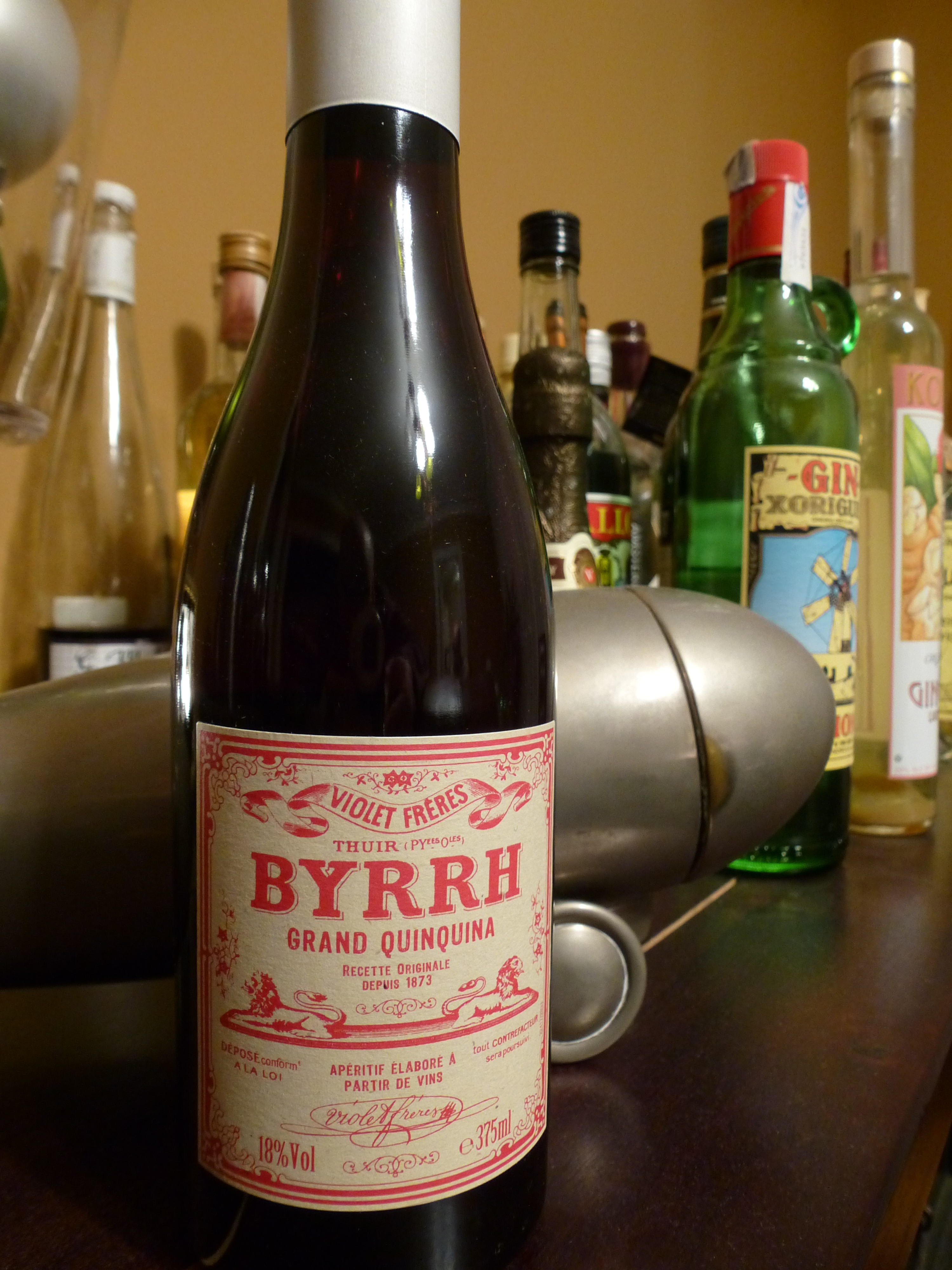
ByrrhI love drinks ressurected from the grave, such as the violet-flavored Crème Yvette or Old Tom Gin. The aperitif called Byrrh (pronounced “beer”) wasn’t dead, exactly, but for years you couldn’t find it in the United States. France stopped exporting it to the U.S. during Prohibition, and for some reason never started again. And so we were left bereft of Byrrh, because as charming as it is to travel to France for a little aperitif shopping, it can get a little impractical.

I had heard of the sweet vermouth-like Byrrh, but I had never tasted it because my aperitif shopping tends to be limited to the northeast side of Chicago. Then one day, there it was! Just standing on a shelf in Binny’s, like nothing had happened. I snapped up a bottle posthaste.

I couldn’t wait to try it, because although at first glance Byrrh appears to resemble many other sweet vermouths, or even Port, it differs in one important respect: It’s spiked with quinine, the anti-malarial compound found in cinchona bark that gives traditional tonic its unique flavor.

I tried it first at room temperature, though it’s traditionally consumed chilled. It had a Porty, richly fruity aroma with something herbal in there as well — a bit of parsley perhaps. I loved the round, luscious mouthfeel which slowly developed into orangey acids and the barest hint of menthol on the finish.

After that taste, there was no question — I needed to see what it would do for a Manhattan. I shook two parts Rowan’s Creek Bourbon, one part Byrrh and a couple dashes of Angostura Bitters with ice, and strained it into a martini glass. It proved to be a balanced but very bright and lively Manhattan. It seemed to end with a deep note from the bitters, but it jumped up again at the last second with a little cedar and mint.

Fun to drink on its own, and fun to mix in a Manhattan — I’d say Byrrh is a winner. And it’s not even that expensive. I picked up a 375 ml bottle at Binny’s for $13. So by God, go out and get some Byrrh!

The World’s Most Unspecial Specialty Drinks

23 February 2013

Westgate Hotel

I’ve never actually written about beer on this blog. It’s not because I don’t drink it, because I do, and it’s not because I have trouble finding unusual beers to try. I live around the corner from Hopleaf, which has some 300 beers on their menu, and just down the street is a wonderful microbrewery called Metropolitan. I don’t write about beer — and I know this sounds like a high-class problem — because it’s refreshing to have a drink that I can imbibe for pure pleasure, without ever having to worry about analyzing its quality or flavor profile.

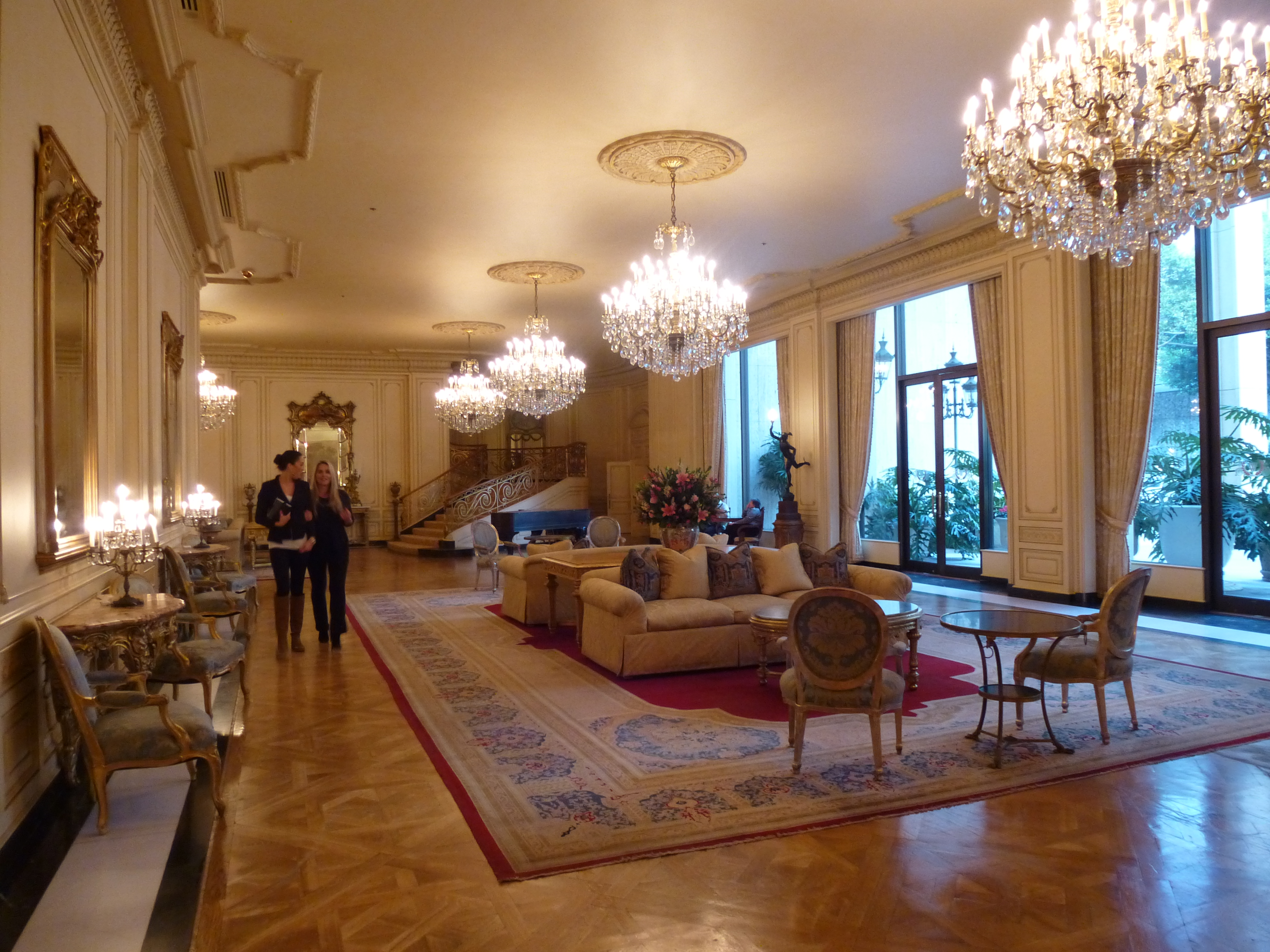
This brings me to The Westgate Hotel in San Diego (above), the hotel that finally compelled me to break my beer-writing rule. The Westgate is ostensibly a very fancy property, with a lobby decked out to look like an olde time French palace. What a French palace is doing in a converted 1960s office building in downtown San Diego is a question I never did manage to answer satisfactorily.

In a place of such overt luxury, one might expect that ethos to extend into every corner of the operation. And indeed it did, with one glaring exception: the room service menu. Right at the top was this less-than-mouthwatering item:

World's Most Boring Beer Tasting

If someone gave me the task of designing the most boring, insipid, overpriced beer tasting possible, it would turn out pretty much like this. For shame! San Diego is a major microbrewing center! I didn’t have much of a chance to explore that scene, but I did immensely enjoy a Ballast Point Sculpin IPA. Unlike a Bud Light, for example, this beer had some real flavor — it was fruity, bitter and dry, with a grapefruity aroma and aftertaste. Delicious!

So Westgate — listen up. I know guests who stay with you probably don’t care all that much about a sense of place (witness the aforementioned Versailles-like decor), but this Beer Taster is a scandal. Some guests won’t want to venture out of their comfort zone, so keep this flaccid selection on the menu if you must, but for the rest of us, how about taking advantage of the many stellar breweries within a 15-minute drive? This is the beer list of a random bar in Anytown, USA, not the “Specialty Drinks” of an expensive hotel in a major city.

Top Temecula Wineries, Part 3: Doffo

20 February 2013

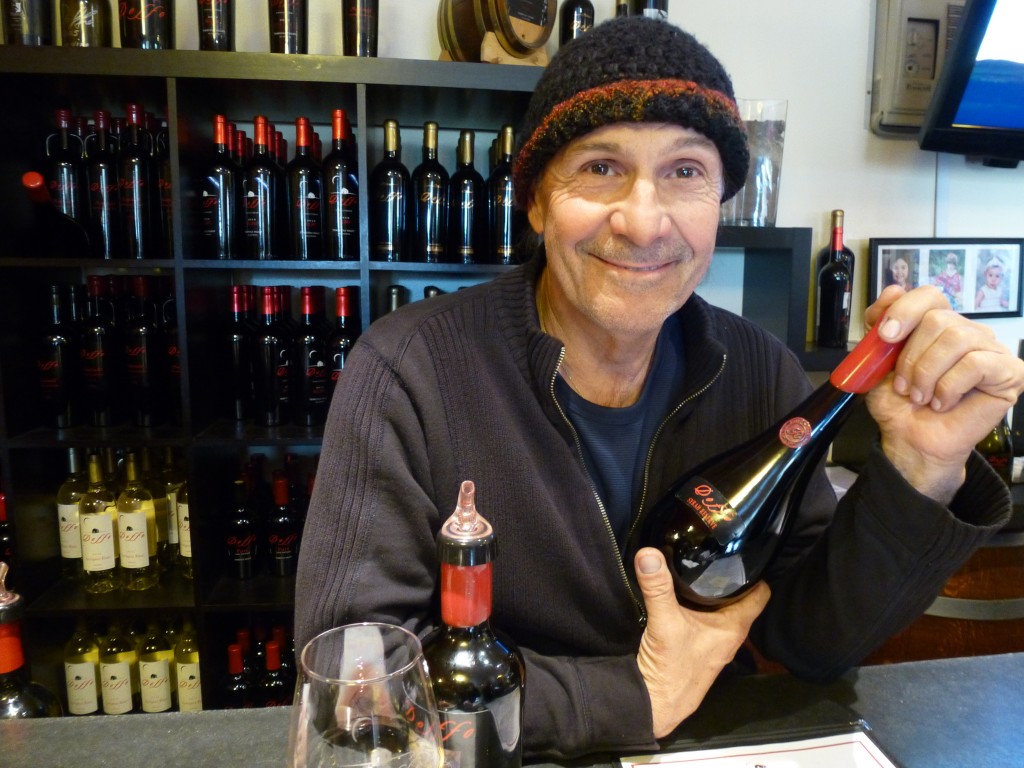
The inimitable Marcelo DoffoThis is my last post about Temecula, I swear on a bottle of Château d’Yquem! But I wouldn’t do justice to this unfamous region without talking about my visit to Doffo Winery.

On the road out of town to Palm Springs, this winery was my last stop in Temecula, California, but certainly not the least. Argentinean Marcelo Doffo founded the winery in 1997, and his family still tends the 15 acres to this day. Indeed, the Doffo Winery has a very hands-on approach — I discovered the lively Mr. Doffo himself pouring wines in the tasting room, which was decorated with part of his motorcycle and scooter collection.

The tasting room was crowded on my Sunday visit, but not with bachelorette parties. A party did enter the room at one point, and Mr. Doffo did not look especially pleased, perhaps because he suspected they were more interested in getting buzzed than really tasting the wine. The bachelorettes must have taken the hint, because they were gone when I turned around a couple of minutes later.

Mr. Doffo is right to expect his patrons to pay at least a little attention to his wines, which are clearly crafted with heart and skill. I enjoyed all the wines I tasted immensely; they had deep fruit that felt immensely satisfying. Here’s a rundown of what I sampled:

2010 Malbec: This unfiltered wine had dark, dusky fruit and a supple mouthfeel, with some tannins and a touch of something herbal at the end.

2010 Grenache: I was surprised by the perfumy aroma of this wine, which tasted very fruity and spicy. It had some of that fun “Temecula raciness” described by winemaker Clark Smith. Mr. Doffo didn’t use his own fruit for this wine, however — his neighbor grew it. When the original buyer fell through, the neighbor offered Mr. Doffo a smokin’ deal, and he bought the grapes. Mr. Doffo noted that he used Syrah skins to “beef the wine up” a bit.

2010 Cabernet Sauvignon Reserve: Composed of 90% Cabernet, this wine is actually a field blend, with the remaining 10% coming from other grape varieties planted in the same vineyard. It had an enticingly jammy aroma, rich fruit and a finish of chocolate and tobacco. Lush and delicious.

2010 Zinfandel Reserve: Very dark in color, with an aroma of overripe plums. This was a big wine, but very smooth and focused as well. But just when you think you’re out of the woods, a pow of spice punches you right in the kisser.

2010 Zinfandel: Mr. Doffo called this wine “The happiest Zinfandel in Temecula,” and while I wouldn’t presume to compare, I will say that it certainly made me happy. It had an exotic, jammy nose and similarly jammy fruit on the palate. Yet there was good focus, and it never became overblown. It started lush and round before expanding into some powerful spiciness.

2008 Syrah Reserve: There again was that jammy aroma, this time mixed with some caramel. Rich fruit tightened into some food-friendly acids and a some tannins; it expanded in the mouth before restraining itself and focusing.

NV Port: A blend of older and younger vintages, this fortified wine had a deep red fruit aroma that sucked me right in. There was that telltale jammy fruit, and a powerful, almost overwhelming cinnamon spiciness. Dusky but very sprightly.

NV Late Harvest Syrah “Los Nietos”: I had great fun tasting with Mr. Doffo, but I’ll always remember this wine, named for his first grandchild who passed away shortly after birth. It smelled of very sweet raspberries, and it had impressively rich, plummy, chocolaty fruit. There was something green in the middle which gave way to a long, luscious finish. Surely excellent with chocolate.

And there you have it! If you go to Temecula, and I hope you do, you can’t go wrong with Doffo. And for that matter, you’ll surely be delighted with Palumbo and Wiens as well. Happy tasting!

« Previous PageNext Page »